With its many attractive features,Okinawa is
agreeable as a place to live and to do business
Okinawa, a subtropical island chain with a genial climate,
is centrally positioned between the Japanese archipelago and East and Southeast Asia.
This makes it the optimal spot geographically to connect
Japan with countries in those regions.
Furthermore, it possesses a rich and unique culture and is blessed by beautiful natural surroundings.
For these reasons, many people both in Japan and
other countries continue to be mesmerized by Okinawa and find it a great place to live.
Okinawa's Main and Remote IslandsOkinawa Comprises a Variety of Islands, Each with Features that Make it Unique
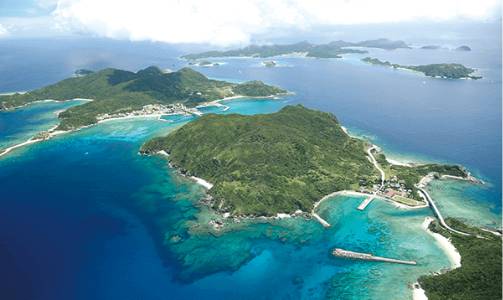
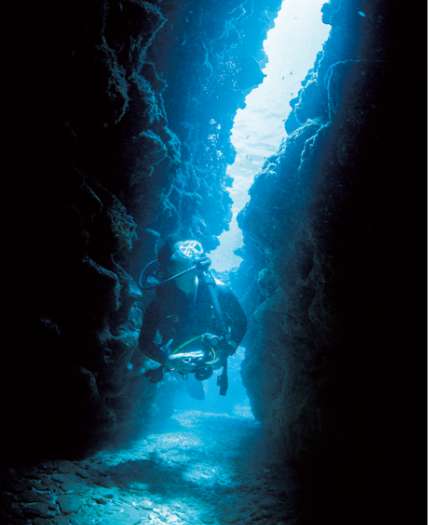
Okinawa Prefecture comprises 691 islands of various sizes spread out across a region measuring 1,000 kilometers from east to west and 400 from north to south, with 38 of those islands being actually inhabited. Each area within the chain has features that make it unique: the north with its abundant natural surroundings, the south with Naha City as the prefecture's political and economic center, and the Kerama Islands that are so popular as a place to go diving.
Southern Area of Main Island Okinawa
The Gateway to Okinawa,
Home to the Political Center of Naha City
Central Area of Main Island Okinawa
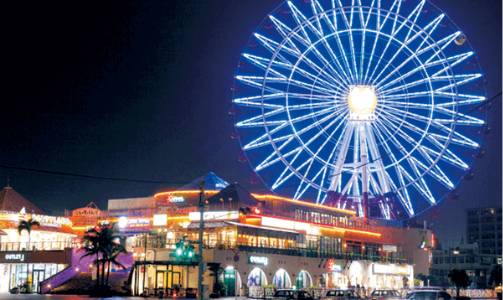
An international area
where the foreign and the local meet
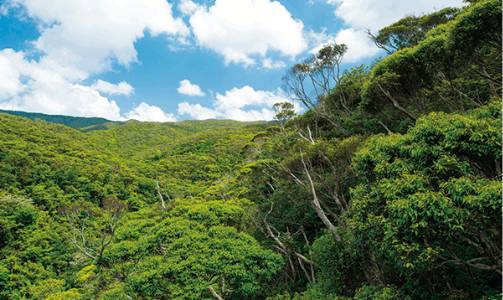
Northern Area of Main Island Okinawa
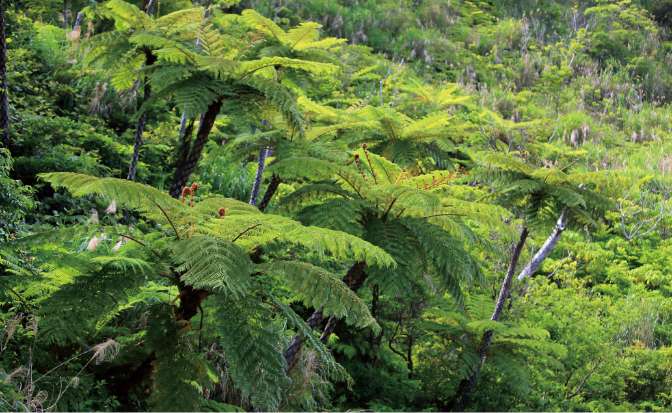
The subtropical forests with trees of all sorts are a treasury of rare wildlife
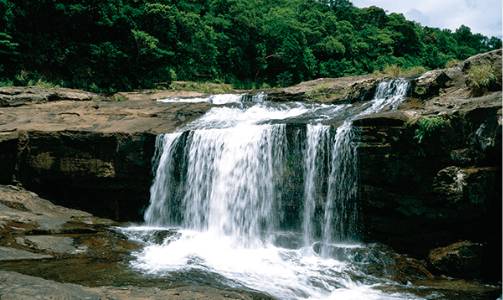
Yaeyama Islands
Twelve populated islands,
abundant in nature and culture
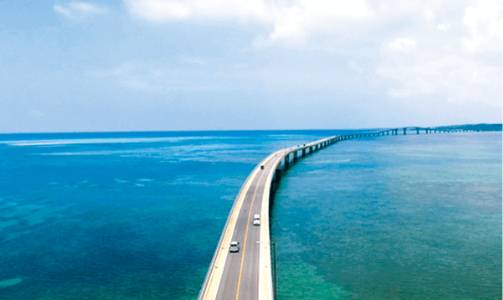
Miyako Islands
Featuring some of the world's clearest waters and Japan's longestbridge
Remote Islands Surrounding Main Island Okinawa
A resort island close enough
for a day trip from Naha
Okinawa's AttractionsThe Varied Attractions of Okinawa Nurtured by a Unique History and Traditions
Okinawa is a place where ancient traditions still make their presence strongly felt on day-to-day life. The fascinations of this land are many and varied, including luxuriant subtropical surroundings, craftwork imbued with wisdom and ingenuity, rituals rooted in daily life, and a richly varied cuisine.
NATURE
Bound by beautiful ocean waters, Okinawa's Kerama Islands and Ishigaki Island has beautiful coral reefs that are popular as some of the world's leading diving spots. Furthermore, the northern part of the main island and Iriomote Island in the Yaeyama island group are both sites of verdant forests inhabited by such distinctive species as the Okinawa Rail and the Iriomote Cat. Organizers also make the most of Okinawa's natural surroundings to hold triathlon here every year.
CULTURE
One of Okinawa's greatest attractions is the fact
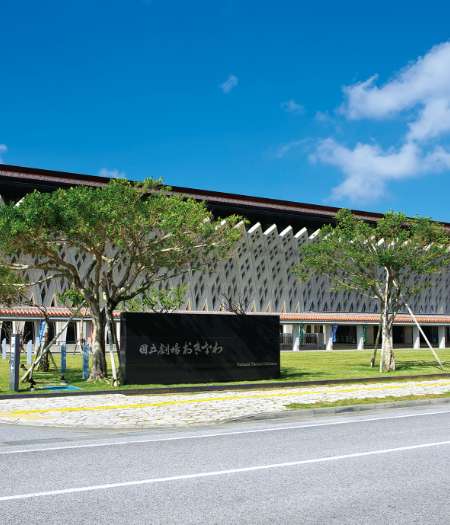
that it possesses a colorful culture that runs the gamut from such traditional performing arts as Kumi-odori, or "ensemble dancing" (recognized as UNESCO Intangible Cultural Heritage), and Ryukyu-buyo, or "Ryukyu dance (recognized as a National Important Intangible Cultural Asset), to such traditional handicrafts in as ceramics and dyeing. You can view works of art and objects of interest at the Okinawa Prefectural Museum, or take in a bewitching dance performance at the National Theater Okinawa. Furthermore, Okinawa is the place where karate originated and practitioners of the martial art from around the world come here to train.
FESTIVAL
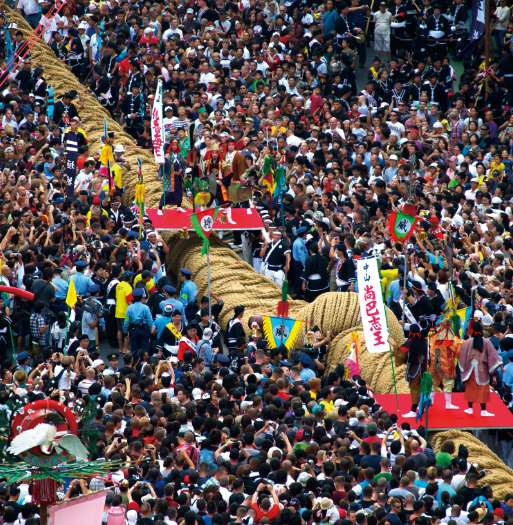
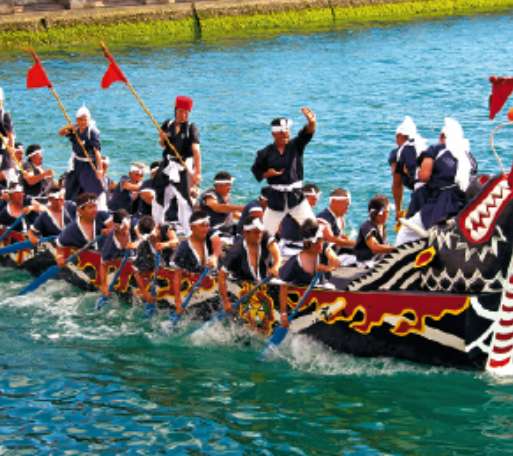
Folk performing arts that have been handed down since antiquity are still very much in evidence both on Okinawa's main island and its remote islands. People hold events that differ from season to season and place to place across the islands. They include festivals meant to give thanks for a good harvest or prayer for plentiful crops, as well as rites meant to entertain and welcome deities. The popular Eisa folk dance accompanied by magnificent drumming and swaying performers is an old Bon Festival rite to memorialize ancestors. Okinawa City in the center of the main island has been proactive in its efforts to maintain and nurture Eisarelated culture.
A MEAL
In Okinawa, you can enjoy a tremendous
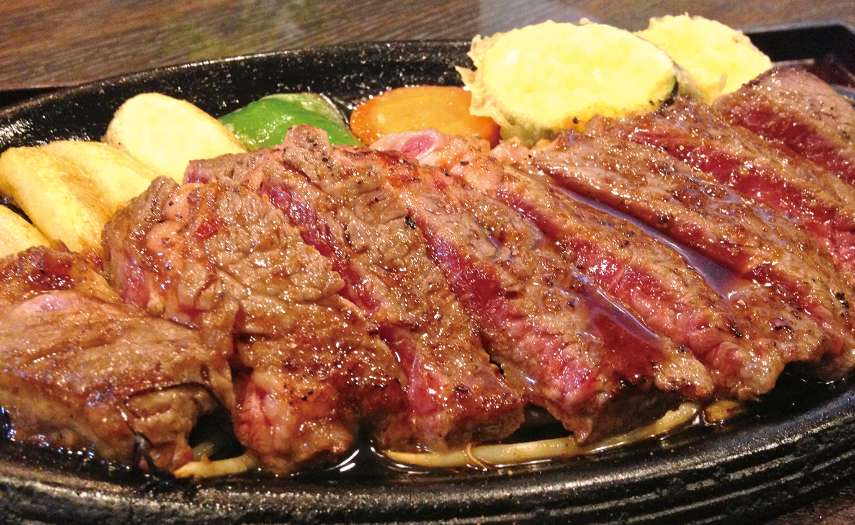
variety of cuisines, including traditional Ryukyuan food along with those of mainland Japan, China, and else- where. Steak has taken off in popularity in recent years, and restaurants that serve portions prepared from famous local breeds of cattle are now being joined by ones with offerings featuring beef from else- where in Japan and overseas. Hotels and restaurants using ingredients that are acceptable to Muslim diners are also on the rise. Beyond that, Okinawa is also known for its produce, includ- ing fruits such as pineapple and mangoes and vegetables such as goya (bitter gourd) and hechima (sponge cucumber).
Event Calendar
Jan.
Motobu Yaeyama
Cherry Blossom Festival
Feb.
Pro-Baseball Spring Training
Okinawa Marathon
Mar.
Higashi Village Azalea Festival
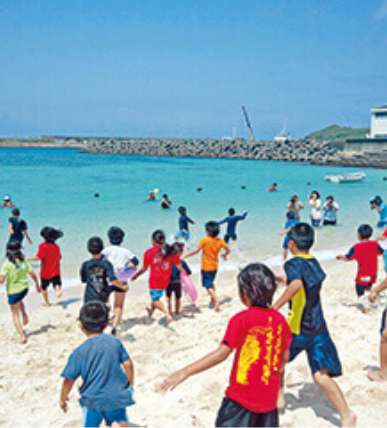
Beach Going Season
Apr.
All Japan Triathlon
Miyakojima
May.
Naha Harii
Jun.
Itoman Harley
Jul.
Ocean Expo Park Summer Festival
Aug.
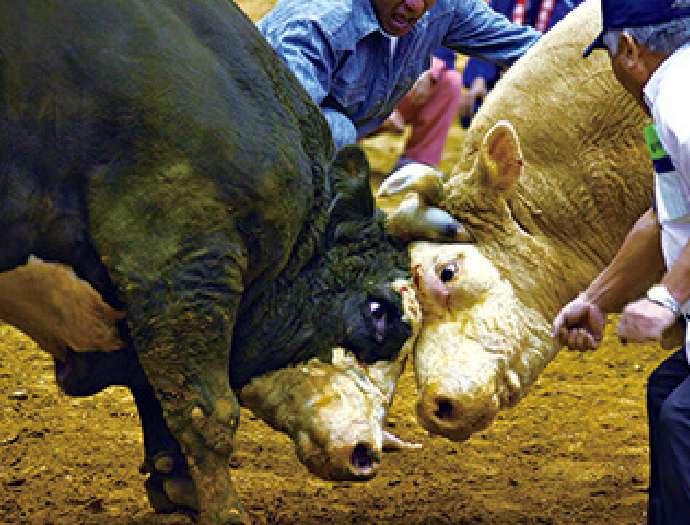
Summer All-Island Bull Fights
(aka Bull Sumo) on
Tourism Day during Tourism Month
Sep.
Okinawa
Zento Eisa Matsuri
Oct.
Okinawa
Local Products Festival
Nov.
The Great Okinawa
Trade Fair
TOUR DE OKINAWA
Dec.
NAHA Marathon
Medical Care in OkinawaBringing Security to Life with Advanced Medical Facilities
The prefecture operates six hospitals covering the northern, central, and southern (including Naha) parts of the main island as well as the Miyako and Yaeyama islands, respectively, as well as another 16 clinics associated with those hospitals.
There are emergency hospitals in every part of the prefecture with staff who can handle foreign languages as well, so the non-Japanese speaker need not be concerned if worst comes to worst.
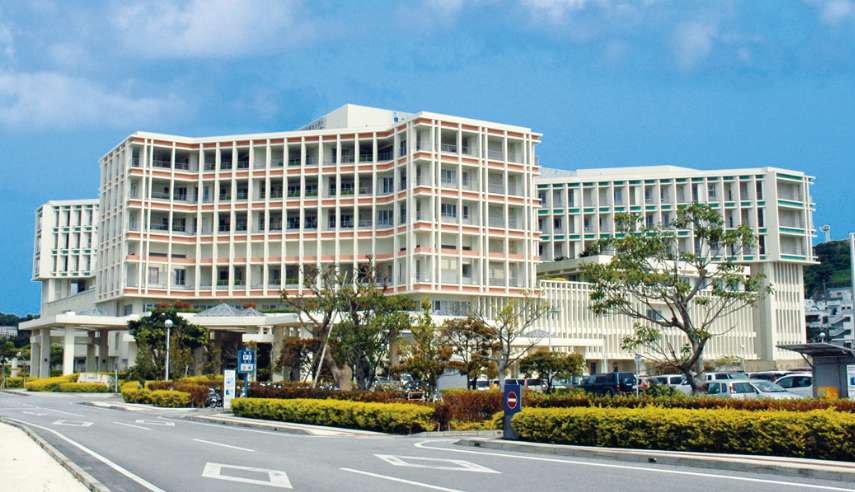
Nanbu Medical Center
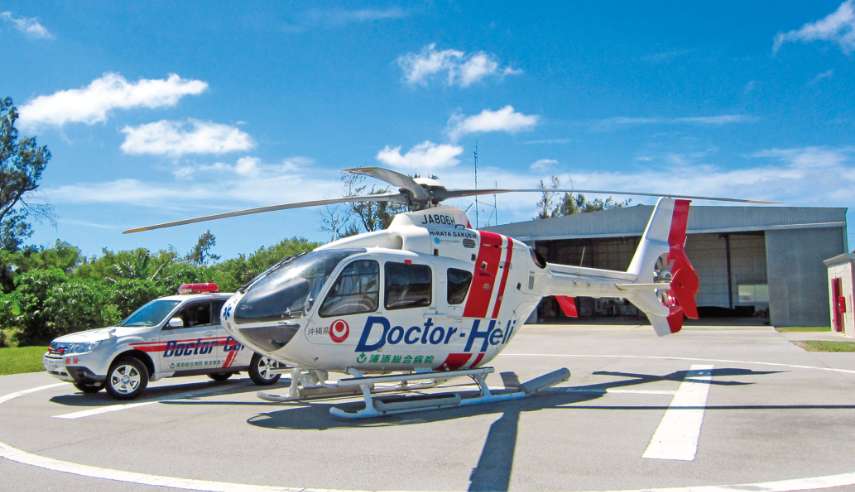
"Doctor Helcopter"(Air ambulance)
Emergency Hospitals with Foreign Language-Speaking Staff (as of January, 2026)
ENEnglishCNChineseKRKoreanESSpanishPTPortuguese
For other languages, please refer to the "Medical Institution Usage Guide".
Northern Okinawa Medical Center
EN
1712-3 Umusa, Nago City
+81-980-54-1111
Okinawa Kyodo Hospital
EN
4-10-55 Kohagura, Naha City
+81-98-853-1200
Urasoe General Hospital
ENCNKRESPT
1-56-1 Maeda, Urasoe City
+81-98-878-0231
Tomishiro Central Hospital
ENCN
25 Ueda, Tomigusuku City
+81-98-851-0501
Makiminato Central Hospital
ENCN
1199 Makiminato, Urasoe City
+81-98-877-0575
Nanbu Tokushukai Hospital
ENCN
171-1 Hokama, Yaese Town
+81-98-998-3221
NAKAGAMI HOSPITAL
EN
610 Noborikawa, Okinawa City
+81-98-939-1300
Nanbu Medical Center & Nanbu Child Medical Center
ENCNKRESPT
118-1 Arakawa, Haebaru Town
+81-98-888-0123
Chubu Tokushukai Hospital
ENCNKRESPT
801 Higashi, Nakagusuku Village, Nakagami District
+81-98-932-1110
Adventist Medical Center
EN
868 Kochi, Nishihara Town
+81-98-946-2833
Arakawa Clinic
EN
12-16 Tsuboya, Naha City
+81-98-863-1511
Okinawa Central Hospital
ENESPT
126-6 Uebaru, Naha City
+81-98-854-5511
Ryukyu University Hospital
ENCNKRESPT
1076 Kiyuna, Ginowan City
+81-98-894-1301
Naha City Hospital
ENCNKRESPT
2-31-1 Furujima, Naha City
+81-98-884-5111
Yui Obstetrics and Gynecology Clinic
EN
2444-3 Noborikawa, Okinawa City
+81-98-989-3801
KC Plastic Surgery Clinic
EN
Times Building 6F, 2-2-2 Kumoji, Naha City
+81-98-866-5151
Sanai Eye Clinic
EN
13-28 Yamauchi, Okinawa City
+81-98-933-3322
A Useful Website Should You Fall Sick
Should it become necessary to get medical treatment in Japan, this website should be useful. It provides easy-to-understand information in English, Chinese, and Other languages about where you should go if you have various symptoms.
Education in OkinawaProviding Information About Education that Takes the Needs of Non-Japanese in Mind
Okinawa Prefecture provides an educational system and guidance on how to enroll in it in multiple languages with the goal of becoming a place where foreign residents can also feel easy when it comes to living here. The local government conducts information sessions about student life and holds orientation sessions on its systems for helping students to enroll. Thanks to its efforts to promote supplying information about the educational system with non-Japanese in mind, anyone relocating here with school-age children should have no concerns on this front.
Okinawa Prefecture is amply prepared with educational institutions. It has (counting both public and private institutions) 485 nursery schools, 300 kindergartens, 263 elementary schools, 152 junior high schools, and 71 high schools, as well as 11 universities, junior colleges, and technical colleges. The prefecture is also home to a number of professional schools and other venues where the interested student can study Japanese, both for a fee and for free.
International Schools in the Prefecture
Okinawa Amicus International (Kindergarten, Elementary and Junior High School)
Japanese Language Acquisition among Resident Foreigners
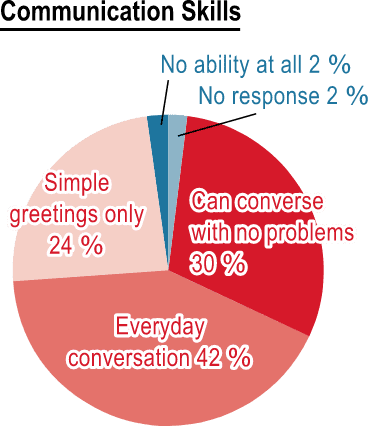
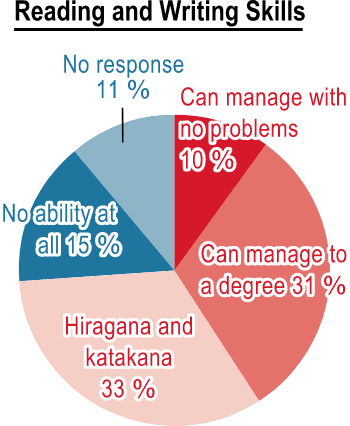
Approximately 70% of this population can handle everyday Japanese, but more than half have problems with reading and writing. A majority learned Japanese after coming to Japan, and most of them are studying on their own.
(Okinawa Prefecture, "Okinawa Multicultural Promotion Guideline," 2013)
Transportation in OkinawaExpectations for Growth and Increased Convenience with Infrastructure Development Underway; Easy to Get Here and Around for Locals and Non-Locals Alike
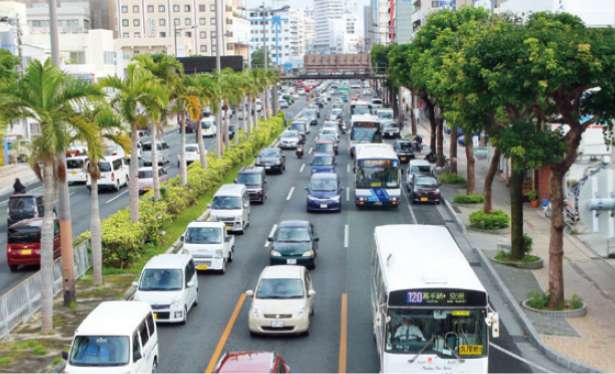
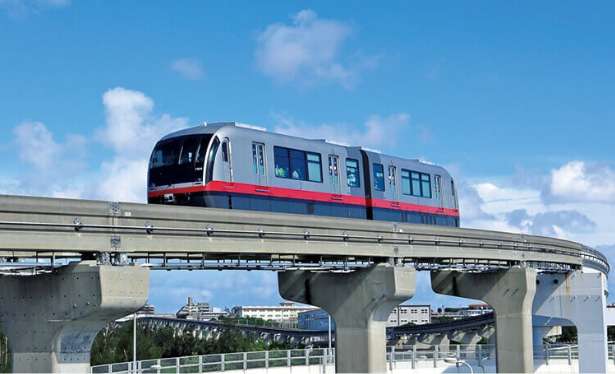
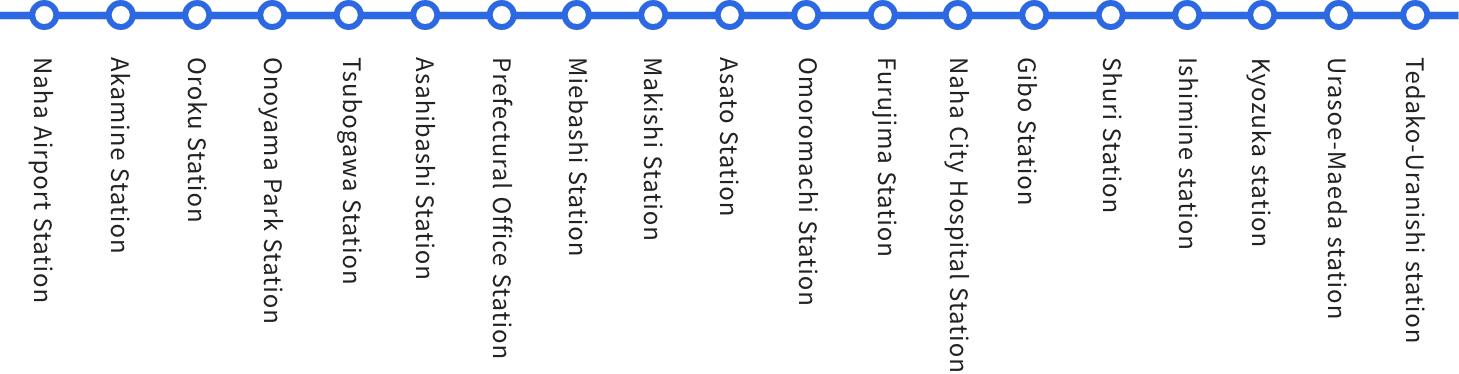
Most people get around Okinawa by car, but the prefecture also has a variety of expressway and regular route buses as well as an increasing number of rental car options.The Okinawa Urban Monorail Yui Rail that began service in 2003, connects 19 stations between Naha Airport and Urasoe City (as of January 2026), has also established itself as a mean of transport for locals and tourists alike.
As to air travel, aside from the main gateway of Naha Airport Okinawa is also home to 12 other facilities such as the Shin-Ishigaki Airport scattered about its remote islands. Currently, Naha is with 30 cities in Japan and another 16 cities overseas primarily around other regions in Asia.
Make transfers easier with Norimono NAVI
Norimono NAVI, a comprehensive information system for buses and Yui Rail on the main island of Okinawa, is available in English, simplified Chinese, traditional Chinese, and Korean.
"OKICA" a transportation IC card that can be used for both local buses and Yui Rail, allows passengers to pay for their fare by simply touching the card to the reader.
Okinawa is crisscrossed by bus routes. the main traffic arteries in Okinawa have bus-only lanes, meaning riders can get to where they are going without having to worry too much about the effects of traffic jams.
Okinawa Urban Monorail Yui Rail
Initial fare of ¥250. Charge of ¥390 from Naha Airport Station to Tedako-Uranishi Station. One-day passes are also available.
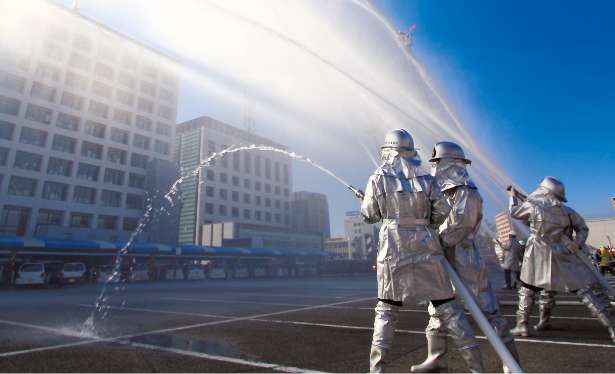
Safety and Disaster Prevention in OkinawaMaking All-Out Efforts to Prepare for Disasters and Create a Safe and Secure Community
Japan is known as a country that is peaceful and orderly. According to the 2020 Global Peace Index (produced by the Economist magazine from the U.K.), Japan is the 12th most peaceful country in the world.
It should be noted, however, that Okinawa is struck by typhoons. Data from 2011 to 2025 show that they number from 21 to 31 per year, with most coming between July and October. Not all of these typhoons hit Okinawa's islands, but measures must be in place both to avoid having to go out when it's not necessary as well as to be sure to have radios and such to get information in a crisis and to be prepared with flashlights and such in the event of a power outage.
Useful Websites in the Event of Disaster
Most local governments in Okinawa have prepared local community disaster prevention guide maps and evacuation center maps in multiple languages for foreign residents in the event that a typhoon, earthquake, or some other disaster occurs. The Okinawa Disaster Prevention Information Portal also provides information about typhoons, earthquakes, tsunami, advisories, and warnings in English, Chinese (Simplified and Traditional), and Korean.
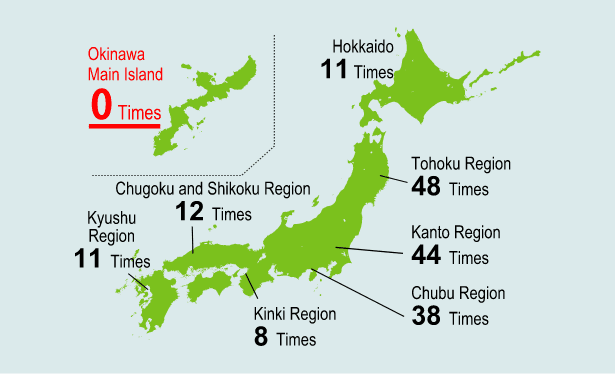
No earthquakes with a seismic intensity of 5 or greater on the Japan scale have been detected on Okinawa's main island since modern earthquake detection efforts have begun. Furthermore, owing to its distance from the Japanese mainland there is little chance of a disaster occurring here simultaneously. Consequently, Okinawa can be expected to serve as a hub for the distribution of disaster risks.
In the Event of Emergency
Fire, injury, or sudden illness
TEL 119
Dial 119 direct to call for a fire truck or ambulance.
ISCO provides opportunities and sites where can utilize the most advanced IT innovation technology in order to solve economy problems in the problems in the prefecture and create new value.
Okinawa Institute of Science and Technology Graduate University (OIST)
OIST contributes to science and technology worldwide, attract leading researchers from Japan and abroad to conduct high-quality research, advance the development of a world-class research hub, and nucleate a knowledge cluster that will catalyze technology transfer and industrial innovation in Okinawa.











 Event Calendar